Videos
Occupy, Resist, Produce - Scop Ti
////// Watch film - available now //////
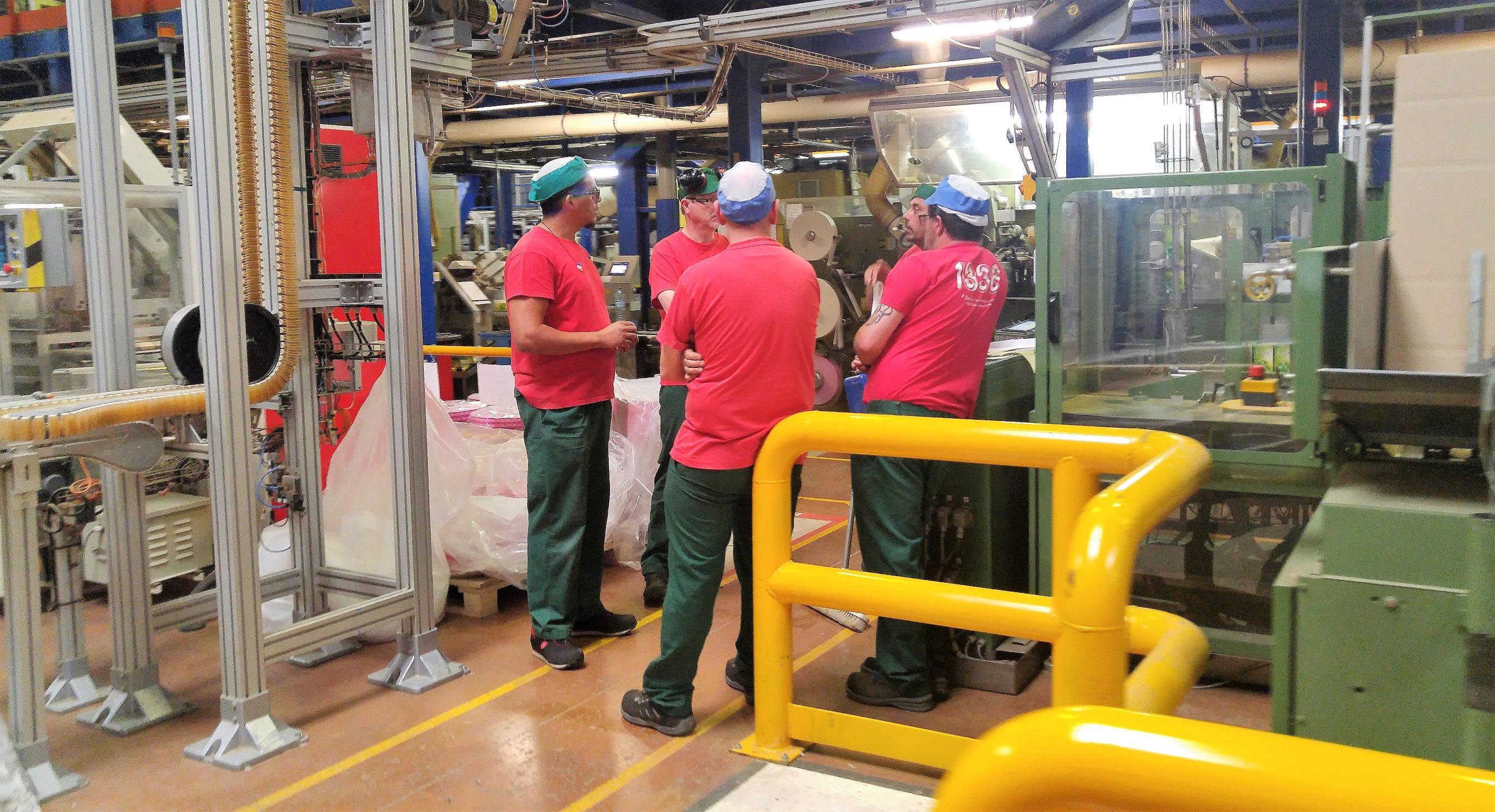
In “Occupy, Resist, Produce – Scop Ti”, the workers tell the story of their collective struggle and speak about their democratic organization of work. They describe the difficulties and contradictions of trying to keep up large-scale industrial production while at the same time sticking to their values and principles: solidarity, organic production and collaboration with local and regional producers.
Occupy, Resist, Produce – Vio.Me.
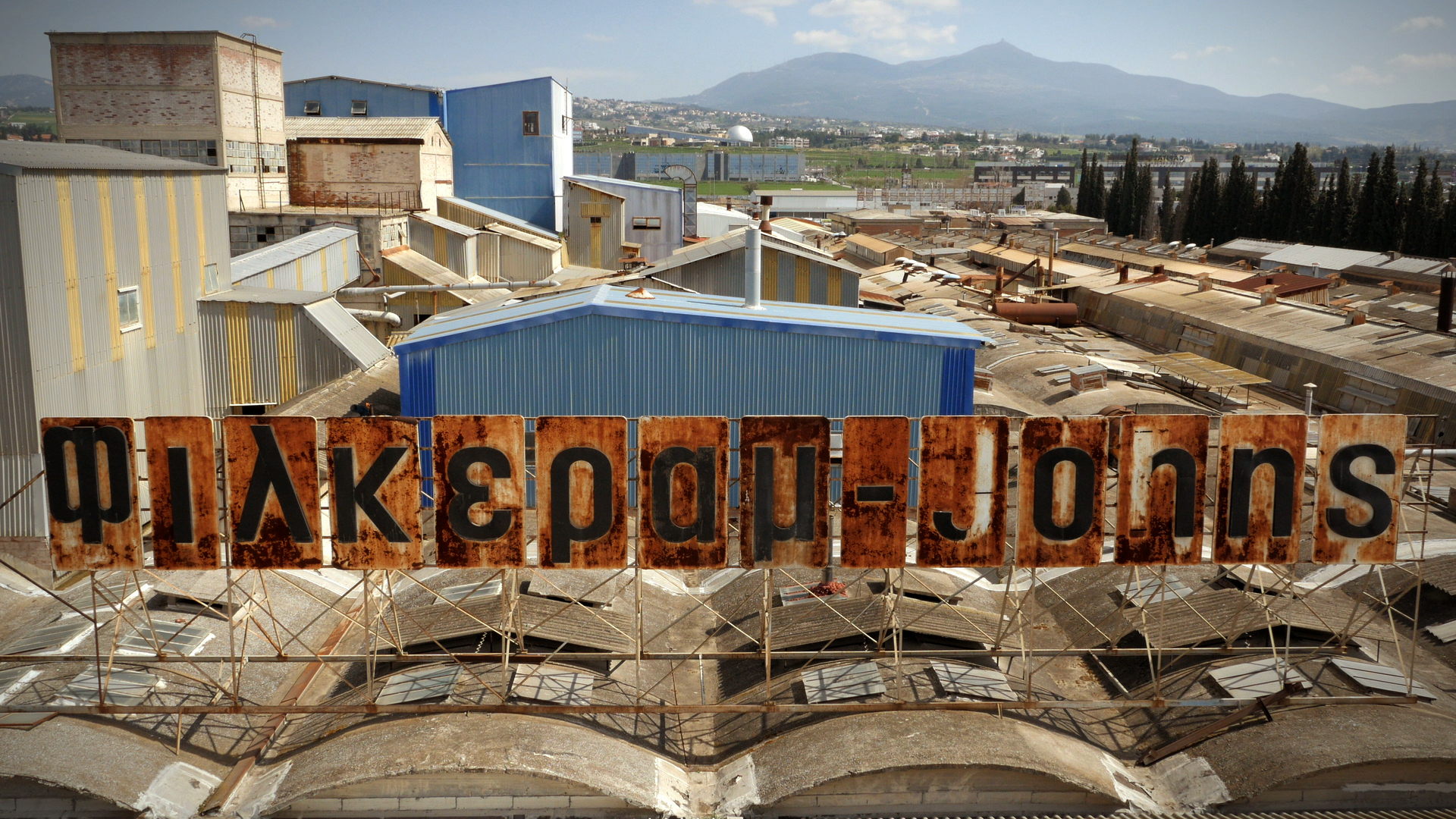
Vio.Me. in Thessaloniki used to produce industrial glue, insulant and various other chemically derived building materials. In 2010 the workers agreed to be sent on unpaid leave every 4-6 weeks. Then the owners started reducing the workers’ wages, assuring them that it was only a temporary measure and they would soon be paid what they were owed. The owners’ main argument was that profits had fallen by 15 to 20 per cent. When the owners broke their promise to pay the back wages, the workers went on strike demanding to be paid.
Occupy, Resist, Produce – Officine Zero
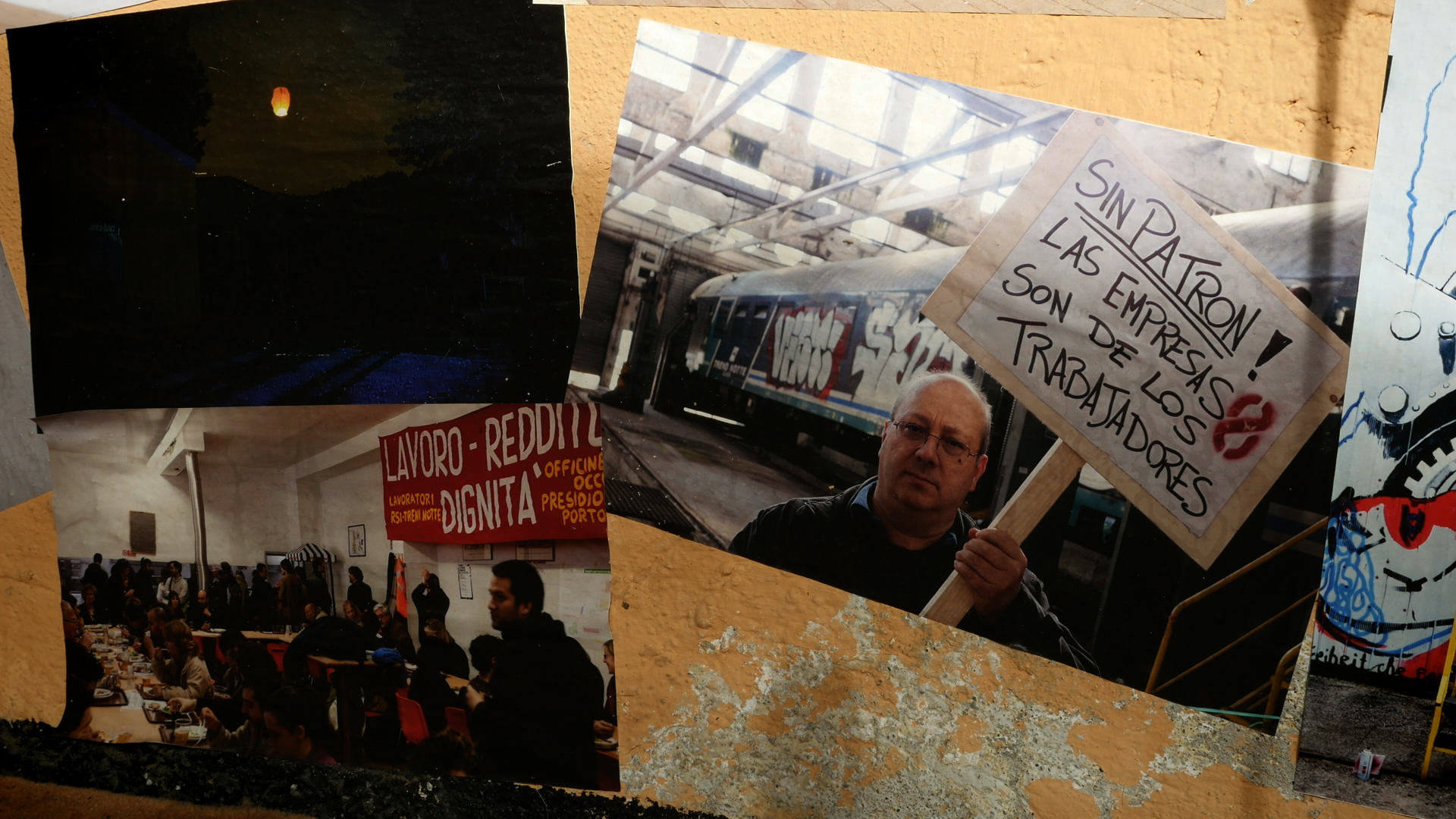
Officine Zero, former RSI (Rail Service Italia) was dedicated to the maintenance and repair of sleeping cars. When in December 2011 Italian train services decided to stop the night train service and invest in fast track trains, RSI closed. Some 20 workers out of the almost 60 employees strong work force did not accept the closing and took up the struggle. They found support among the activists from the nearby social center, “Strike.” In February 2012 they occupied their work place.
Occupy, Resist, Produce - RiMaflow
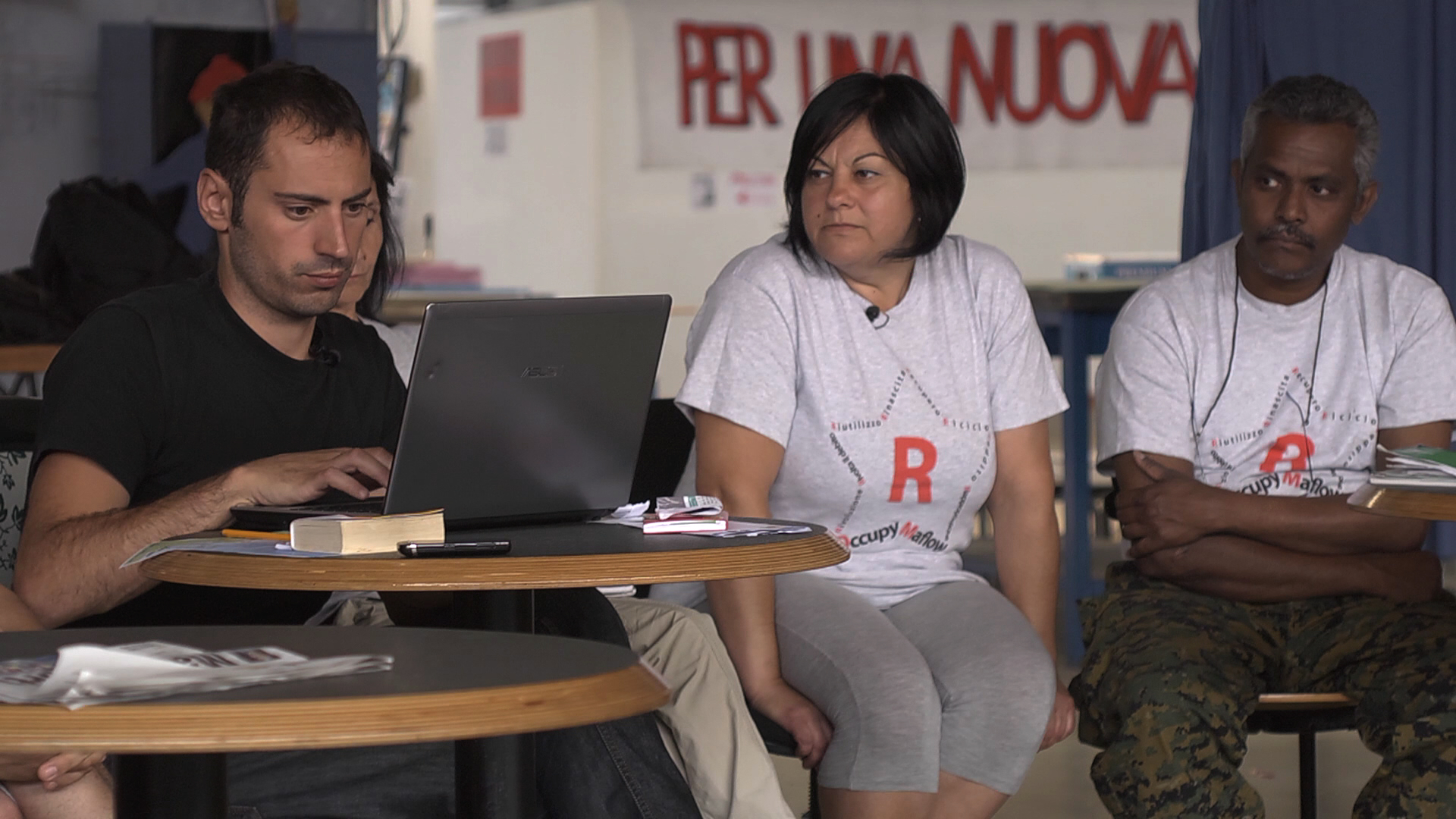
A Film by Dario Azzellini and Oliver Ressler
RiMaflow, Milan, Italy
Comuna Under Construction
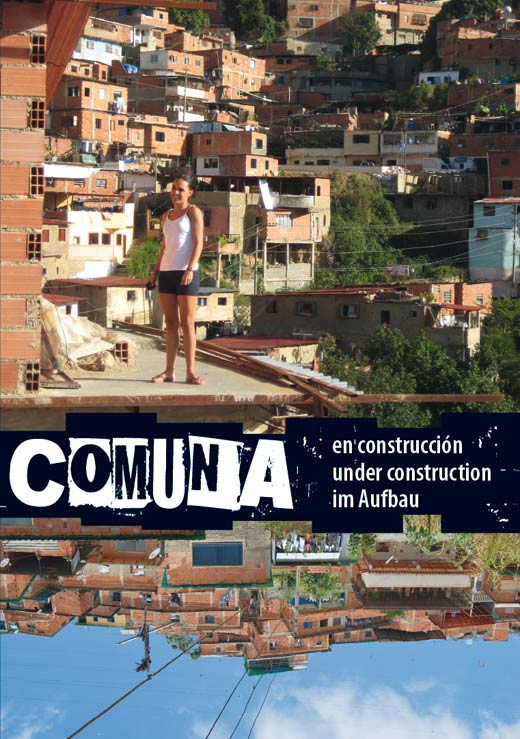
“We have to decide for ourselves what we want. We are the ones who know about our needs and what is happening in our community”, Omayra Peréz explains confidently. She wants to convince her community, located on the hillside of the poor districts of Caracas, to found a Consejo Comunal (community council). In more than 30.000 Consejos Comunales the Venezuelan inhabitants decide on their concerns collectively via assemblies. Omayra is supported by the activists of the nearby shantytown “Emiliano Hernández”, which has had a Consejo Comunal for three years already.
5 Factories – Worker Control in Venezuela
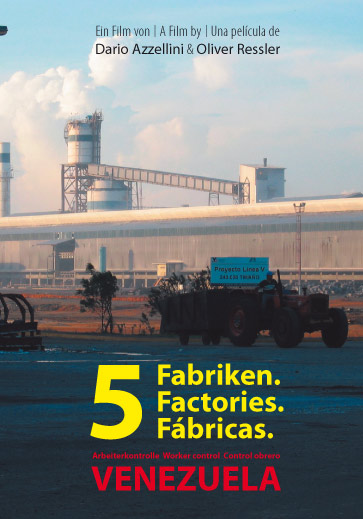
In their second film regarding political and social change in Venezuela, after “Venezuela from Below”, Azzellini and Ressler focus on the industrial sector in “5 Factories–Worker Control in Venezuela“. The changes in Venezuela's productive sphere are demonstrated with five large companies in various regions: a textile company, aluminum works, a tomato factory, a cocoa factory and a paper factory. The workers are struggling for different forms of co- or self-management supported by credits from the government.
Venezuela from Below
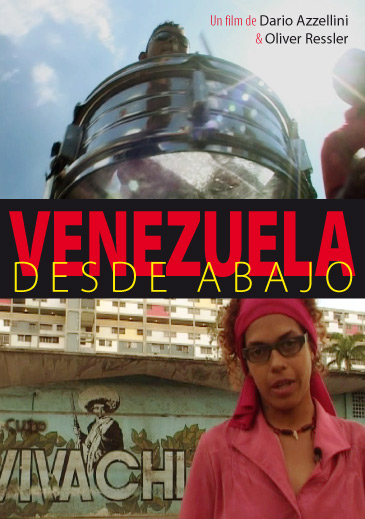
In Venezuela, a profound social transformation identified as the Bolivarian process has been underway since Hugo Chávez's governmental takeover in 1998. It concerns a broad process of self organization, from which has developed a progressive constitution, a labor law, new educational possibilities, and a number of further reforms for the impoverished majority of the population of what is potentially a wealthy state.
Disobbedienti
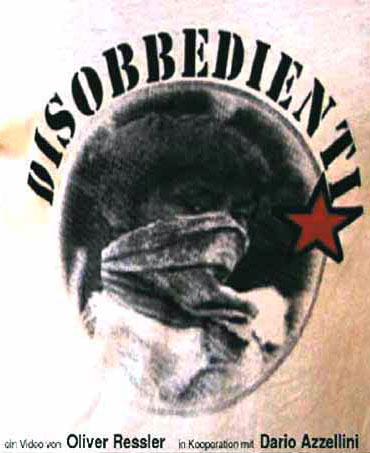
The video "Disobbedienti" thematizes the Disobbedienti's origins, political bases, and forms of direct action on the basis of conversations with seven members of the movement. The Disobbedienti emerged from the Tute Bianche during the demonstrations against the G8 summit in Genoa in July 2001. The "Tute Bianche" were the white-clad Italian activists who used their bodies - protected by foam rubber, tires, helmets, gas masks, and homemade shields - in direct acts and demonstrations as weapons of civil disobedience.
Al Norte
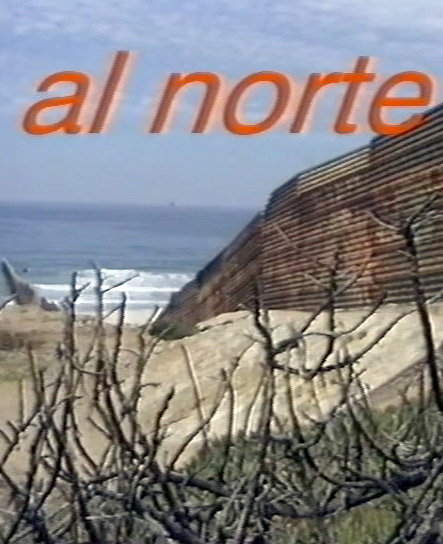
„Cuidado Peligro“ - Vorsicht Gefahr, warnt in sarkastischer Weise ein Schild an der Grenze zwischen Mexiko und den USA. Tausende Mexikaner versuchen täglich diese Grenze zu überqueren, um der Armut zu entfliehen und in das „gelobte Land“ USA zu gelangen.
Quetzalcoatl, Sandino und die Weltbank
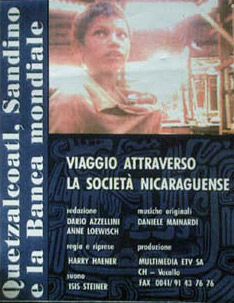
Die Wahlniederlage der sandinistischen FSLN 1990 bedeutete für die große Mehrheit der NicaraguanerInnen einen unerwartet schmerzhaften Wandel ihrer Lebensverhältnisse. Die neue Regierung, ein Bündnis aus rund einem Dutzend Parteien, von orthodoxen Kommunisten bis zu VertreterInnen der Oligarchie aus Somozas Diktatur, unterwarfen das Land dem Diktat des IWF und der Weltbank. Die Auswirkungen dieser neoliberalen Politik ließen nicht lange auf sich warten. 60% Arbeitslose verschärfen die soziale Lage dramatisch.
Autonomy
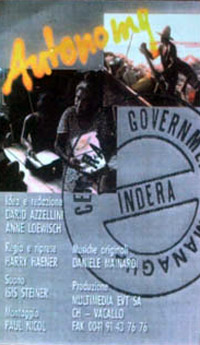
An Nicaraguas Atlantikküste leben Miskito-, Rama- und Sumu-Indígenas, Mestizen, afro-karibische Bevölkerung und Garífunas. Ohnehin vorhandene Spannungen und unterschiedliche Erwartungen an die sandinistische Revolution, sowie Unerfahrenheit und Fehler Seitens der FSLN führten zu Konflikten nach der Revolution. Durch das Agieren der USA wuchsen diese schnell zu einem Krieg heran. Die FSLN versuchte schließlich in der zweiten Hälfte der 80er Jahre mit einem Autonomie-Modell den Konflikt zu beenden, was auch weitgehend gelang. Die Nachfolgerregierung respektiert die Autonomie jedoch nicht.